
Personal brand website design
Positioning, identity and website developed as one project for experts who sell what they know, so the right people understand your work and know how to start.
What is included.
- 01
The words first
We work out who you help, the moment they need you and why your judgement is worth paying for. That becomes the sentence every page, bio and slide is built on.
- Positioning statement
- Key messages
- Short and long biography
- Tone of voice
- 02
An identity that is yours
A visual language sized to a person, not a corporation: how your name is set, the type, the colour and the rules that keep it consistent when someone else designs a slide.
- Name treatment or logo
- Typography and colour
- Templates for documents and slides
- Usage guide
- 03
A website that leads to a conversation
Pages planned around what a prospective client needs to read before contacting you, written in your voice, designed in your identity and built to load fast on a phone.
- Page structure
- Copywriting
- Design
- Development and launch
- Handover of every file
Who it is for.
Coaches
Programmes explained plainly and a direct route to the first call.
Read moreConsultants
The problem you solve, how an engagement runs and proof a buyer can forward.
Read moreSpeakers
Talks, formats and what an event organiser needs to book you.
Read moreOther experts
Advisors, specialists and leaders whose reputation is the product.
You approve each step before the next one starts.
Each step ends with your approval, and the next one starts only after it. The schedule is set out in your written proposal.
- 01A first conversation
You tell us what you do, who you work with and what you want to change. We confirm the scope in writing.
- 02You approve the positioning
Nothing is designed until the words are agreed with you.
- 03You approve the identity direction
The approved direction is then applied to your name, documents and slides.
- 04You approve the website before launch
The site goes live only after you have reviewed every page.
Three experts, three different answers.
All examples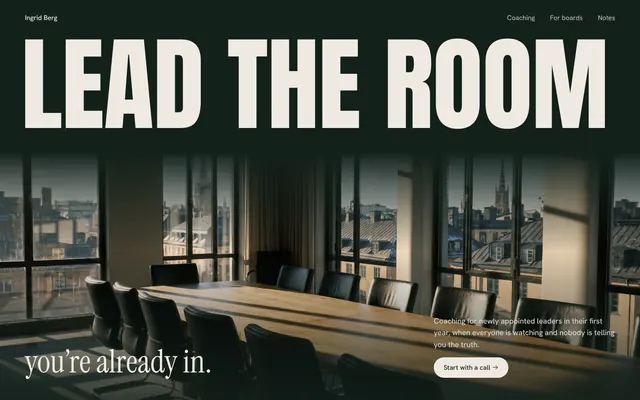
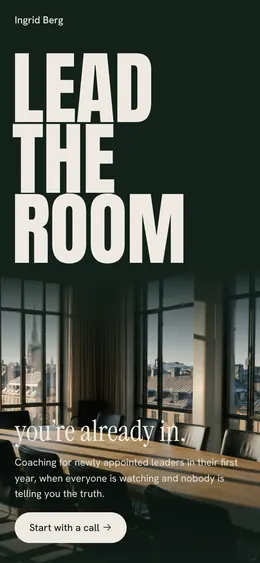
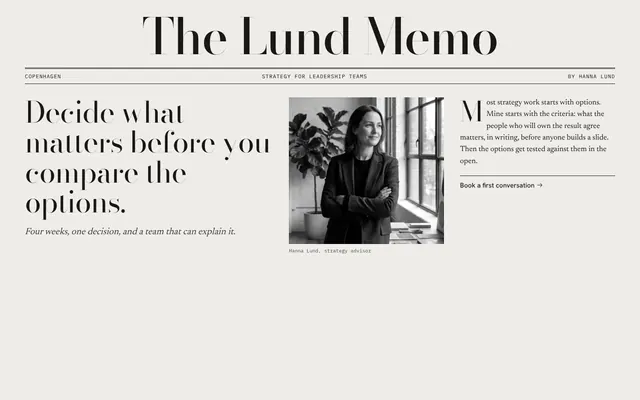
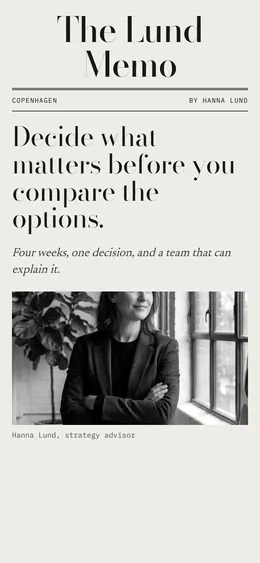
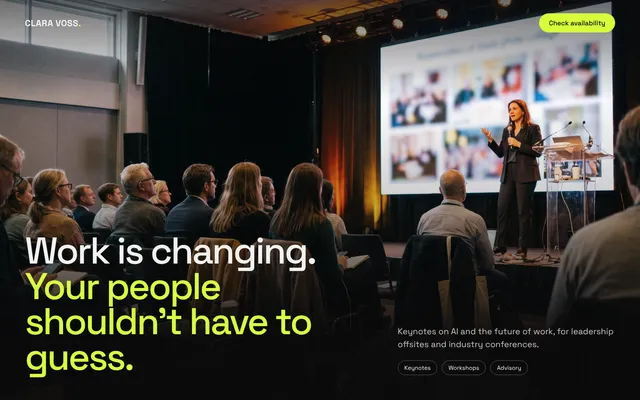
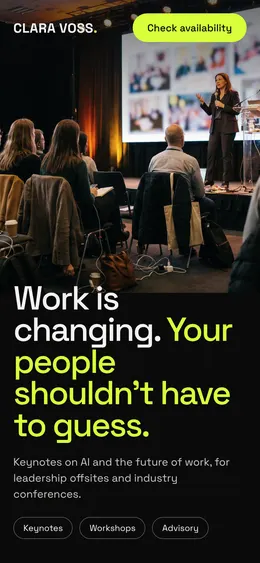
Concepts based on fictional briefs. Websites designed and built by us.
What shapes the scope.
- How much of the brand already exists
- Starting from a name only takes longer than refining a logo and message you already use.
- Who writes the copy
- Writing every page from interviews is a larger piece of work than editing text you supply.
- Number and type of pages
- A focused site of a few pages differs from one with programmes, talks, articles and resources.
- Tools the site connects to
- Booking, newsletter or payment tools each add setup and testing.
- Languages
- Each extra language adds translation, review and its own checks.
Each project is scoped for what you need, and your written proposal confirms the deliverables and timeline before you decide.
Questions before a quote.
Do I need a logo before we start?
No. The identity work covers how your name is set and, if it helps, a logo. If you already have one you are happy with, we build on it.
Will you write the text of the website?
Yes, copywriting is part of the project. We write from conversations with you and you approve the words before anything is designed.
What do you need from me?
Time for the first conversations, your feedback at each approval step, and any material you already have: talks, articles, client feedback you are allowed to share and photographs.
How is this different from a website builder?
A builder gives you templates and leaves the thinking to you. Here the positioning, the identity and the site are done for you, with your approval at each step.
Are the projects you show real clients?
Not yet. They are concepts based on fictional briefs, made to show method and craft. Real projects will always be labelled as such.
Keep reading.
- Speaker website designAn event organiser compares several speakers in minutes. Your site has to show what you talk about, how you sound on stage and how to ask about a date, all on the first visit.
- Website design for coachesA coaching site has one job: help the right client recognise their situation, trust your way of working and book a first conversation without hunting for it.
- Website design for consultantsA buyer reads a consultant's site to decide one thing: is this the person to call for our problem. The site has to answer that before they open a second page.
- ExamplesConcepts for coaches, consultants, speakers and other experts. Each began as one sentence about who the person helps, and each looks like nobody else on the list.
Tell us about your practice.
Share what you do, who you work with and what you want to change. Your proposal sets out the deliverables and timeline before you decide.
Request a quoteOpens our quote page.